
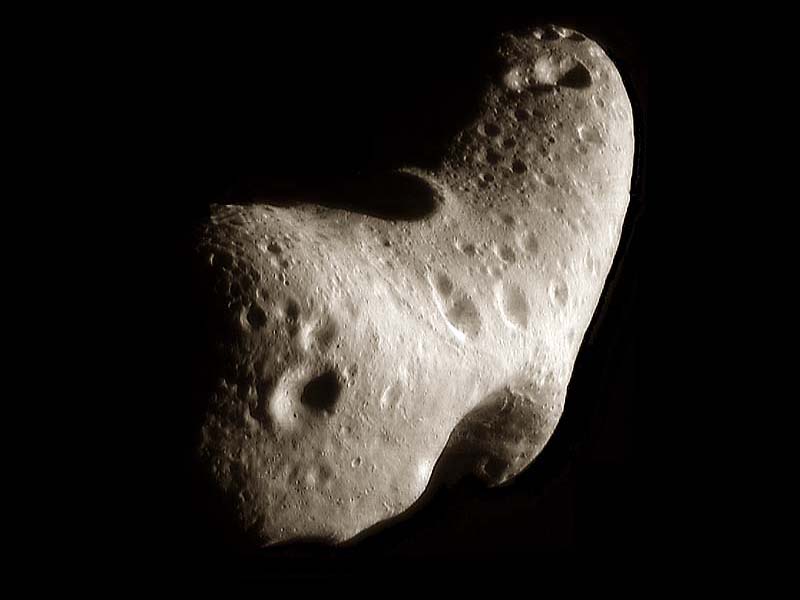
During my MSc studies at the University of Cape Town (UCT), where I was part of the MasterCard Foundation Scholars Program, I conducted research that focused on the rapid follow-up observations of near-Earth asteroids (NEAs). This project introduced me to the full research cycle, from scheduling telescope observations to data reduction and to turning raw observations into scientific results. This involved scheduling follow-up observations of newly discovered asteroids and classifying them based on their composition.
Most of the large asteroids that can trigger extinction events have been discovered, and impacts from them are extremely rare, occurring on average once every 700,000 years. Smaller asteroids (less than 1 km in size) are much more numerous and, while not as globally devastating, they pose a greater likelihood of impacting Earth within human timescales. Despite their smaller size, these objects can still cause significant damage. So far, about 40000 NEAs have been discovered by various surveys that focus on asteroid discovery. For further information: https://www.sciencedirect.com/science/article/pii/S0094576525007350?via%3Dihub
The first aim of my project was to do rapid follow-up observations of small NEAs to get enough observations to help determine their orbits. Smaller asteroids pose several challenges due to their fast motion and rapid changes in brightness as they pass Earth. These objects are often visible for only a brief period after discovery, thus requiring immediate follow-up observations to collect enough valuable data. The second aim was to probe the small NEA population because they are the most abundant, and there is a gap in how much we know about their physical properties. Thus, studying their physical properties and taxonomic types not only helps us prepare and refine impact risk assessments but also deepens our knowledge of the early Solar System, since asteroids hold material from its formation.
The Lesedi telescope played a huge role in this research. Its robotic capabilities allowed for the efficient scheduling of rapid follow-up observations soon after the announcement of new NEA discoveries. Working with Lesedi taught me how to operate a modern robotic telescope, understand its observation scheduling steps, and understand how automated systems can be used effectively for near-Earth asteroid observations. Automating the process ensured that data was collected rapidly, making it possible to gather photometric data suitable for taxonomic classification. Results obtained from multi-filter photometry and astrometric measurements contributed to refining asteroid orbits and analysing their colours. Analysing the colours of these asteroids is important because it provides insight into their composition. Small asteroids of this size are more abundant but harder to observe because they move quickly and are only visible for a short time, meaning very little is currently known about the general composition of this population. This knowledge will prove valuable in the future: if one of these asteroids were on a collision course with Earth. Thus, this colour analysis information about asteroid composition could inform the best strategies for deflection, help determine how much of the asteroids would survive atmospheric entry, or allow scientists to estimate the damage they could cause on impact. Knowing what an asteroid is made of well in advance means we are far better prepared.
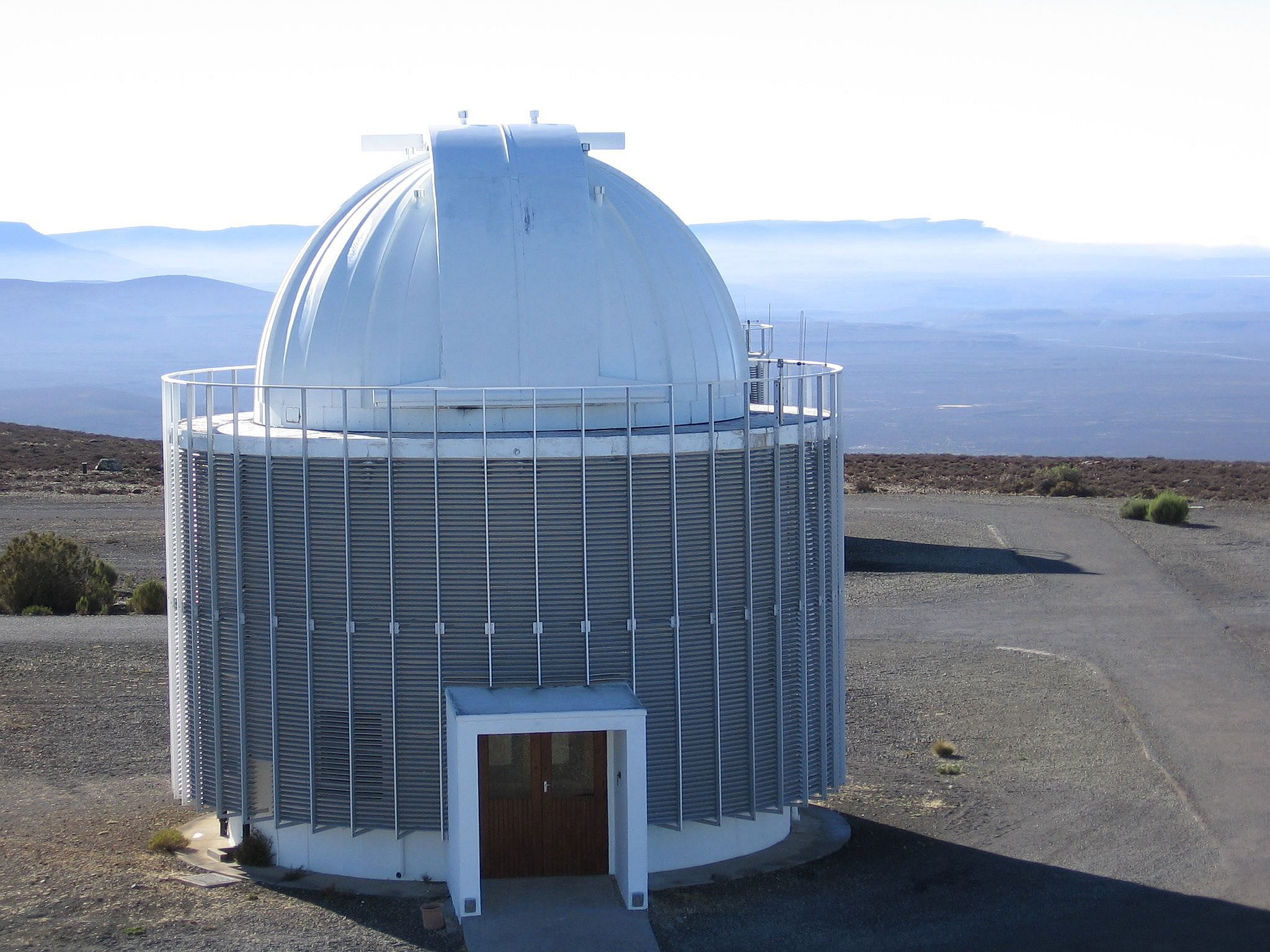
For our observations, we captured unfiltered images and recorded the position and brightness of each asteroid, submitting this data to the Minor Planet Centre. They then combine our measurements with observations from other contributors to refine the asteroids’ orbital parameters. The images taken through different filters (green, red, and infrared) were used to determine the likely composition. From these, we extracted photometry to analyse each asteroid’s colour and infer their likely properties. Using these observations, I applied machine-learning methods to classify the observed NEAs into the taxonomic types. This was my first exposure to applying data science to observational astronomy, which helped me appreciate how computational tools can extend the reach of traditional observing methods.
Throughout the project, I developed strong Python programming and data reduction skills, learning to handle large photometric datasets and apply machine-learning techniques for data analysis. I also gained experience in scheduling robotic telescope observations, managing data pipelines, and interpreting classification outputs. These skills will be instrumental in my PhD research, which continues this work by including data from the Las Cumbres Observatory network and, in the future, observations from the Southern African Large Telescope (SALT) to target fainter NEAs.
This experience has made me more aware of the importance of asteroid research and strengthened my technical foundation in data-driven astronomy, important for addressing the growing challenges of planetary defence and advancing scientific discovery through South African research facilities. Beyond the technical growth, this project taught me to pay closer attention to data quality and to think about how research can be designed for asteroid discovery.